The Sandisfield Times
Living Near Wetlands in Sandisfield
Read this before you cut, dig, fill, or build near water.
Published November 1, 2026

image of wetlands.

An informational flyer presented by the Sandisfield Conservation Commission.

Wetlands soak up floodwater, filtered water ends up in our wells, recharge the aquifer, and shelter most of the wildlife in town.

Because they do so much, Massachusetts law asks local Conservation Commissions to review certain work near them. Most projects are approved - the point is to check before the shovel goes in the ground.

Do I live near a wetland?

Quite possibly. Sandisfield is about 90 percent forest, and more than one acre in five lies in a wetland, its 100-foot buffer, or a riverfront area. Wetlands are not just open water - they include:

  • Swamps, marshes, bogs, wet meadows, and hillside seeps
  • Vernal pools - spring pools that dry up by midsummer
  • Ponds and lakes
  • Streams, including ones that only run part of the year.

The plants are the tell: skunk cabbage, red maple, jewelweed, sedges, and ferns all grow in wet soil. Not sure? Call or email us. 258-4430.

Does my project need a permit?

The Commission reviews work within 100 feet of a wetland, within 200 feet of a year-round stream, or in the 100-year flood zone. Work that usually needs review:

  • Cutting trees or clearing brush and understory
  • Filling, grading, or excavating
  • Driveways, crossings, and new property access
  • Decks, sheds, additions, or other structures
  • Septic installation or repair - even a straight replacement
  • Anything that changes how water drains across the site.

This list is not complete - distance and scale both matter.

What if the work is already done?

Call or email us anyway. Unpermitted work can lead to an enforcement order, required restoration, and fines. Coming to us first is almost always faster and cheaper.

How do I get started?

  • Call or email early. Describe what you would like to do. Early is cheap; later is expensive.
  • We tell you what is needed. Often that is a quick phone check or a shot Wlk od rhw property.
  • File the form. We will help you fill it out.
  • Come to the hearing. It is a regular public meeting, not a trial.
  • Wait for your permit and record it at the Registry of Deeds before any work stats.
  • Put up the erosion controls your permit requires, and leave them up until the work is finished.

Which filing do I need?

  • A short check asks whether the law applies to your project at all. Best for small or simple work, and you usually have an answer within 21 days. On the form is a Request for Determination of Applicability (RDA).
  • A full application is for work that will fill, dredge, or alter a wetland or its 100-foot buffer. It opens a public hearing and ends with a permit setting out how the work must be done - on the form a Notice of Intent (NOI) and an Order of Conditions.

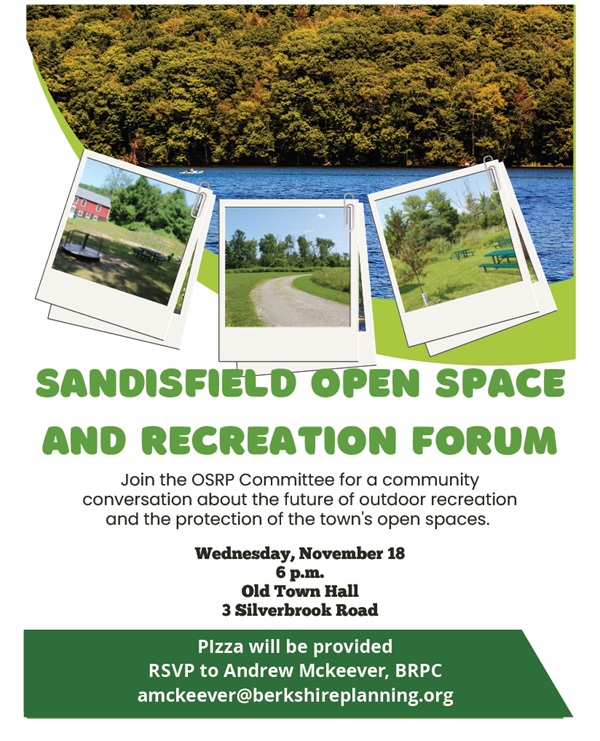
image for sandisfield open space.

Home Page

©The Sandisfield Times. All rights reserved.
Published November 1, 2026